

You already spend half the week weighing up form, fixtures and expected goals. Odds add another layer to that picture. They reflect thousands of data points: goal projections, attacking patterns, defensive records, injury news and even the small tactical adjustments that aren’t always obvious while you’re watching a match.
In the build-up to a matchweek, bookmakers dig through mountains of data to work out which way a game is most likely to go. They run vast numbers of simulations, follow every injury update and track the trends that quietly sit beneath the headlines. The same process underpins markets across the world, from high-street firms in the UK to operators covered on sites that analyse sports betting in Kuwait , where you can see how offshore bookmakers model Premier League fixtures and price goal projections in leagues followed closely in the region. When you read those prices with a bit of care, you begin to see where the bigger captaincy opportunities are likely to fall.
And that’s where the real value lies. Odds don’t hand you the armband decision by themselves, but they highlight the fixtures where the ceiling is genuinely high. Once you combine that with the players in form, the teams creating chances and the defenders struggling to keep anyone out, you start to build a captaincy strategy that feels far more rooted in what is actually happening on the pitch.
Betting Prices as a Window Into Captaincy Potential
Bookmakers aren’t driven by emotion, narrative or fan optimism. Everything begins with probability. When a forward’s anytime goalscorer price shortens, it’s rarely because sentiment has swung; it’s because the underlying data points to an increased likelihood of a return.
You see it most clearly with the Premier League’s most reliable threat. Erling Haaland sits on 18.47 xG as of the FA Cup third round, a remarkable figure considering he missed a chunk of matches earlier in the campaign. The Norwegian's goal projection is consistently the highest in any given Gameweek because Manchester City create more big chances than anyone else and face fewer shots than anyone else.
When City face struggling opposition, the prices make their own case. Wolves sit bottom with a single win, 41 conceded and a goal difference of minus 26. Even before you check any FPL data, the market is telling you the obvious truth: a team that scores 45 is overwhelmingly likely to overwhelm a team that has conceded 41. Haaland becomes the clearest captaincy option on the board not purely because of reputation but because the numbers behind the price point in a single direction.
This is the role odds can play for you. They strip away the noise and leave only probability.
Goalscorer Markets That Flag Forwards Ready to Strike
Forwards live and die on timing. When a striker’s goalscorer price begins to shorten across the week, it usually means one of two things. Either his xG is climbing, or the opponent’s defensive numbers are deteriorating. The strongest captaincy calls tend to come when both factors line up.
Take Thiago at Brentford. His xG stands at 12.59, second only to Haaland, and his finishing has sharpened as the season has gone on. Rather than drifting wide, he now drives towards the penalty spot and attacks the six-yard line with real conviction. When you see him priced aggressively to score first or even bag a brace, it is the market responding to his shot volume, his movement and Brentford’s habit under Keith Andrews of hitting early crosses. It isn’t sentiment; it’s probability.
Dominic Calvert-Lewin provides another angle entirely. Leeds may occupy 16th, but they create chances at Elland Road, especially under the lights, and their matches often follow a familiar ferocity. They start quickly, press high and force mistakes in the opening 20 minutes. That alone pushes their attackers into captaincy contention in the right fixture.
Calvert-Lewin’s December brace against Crystal Palace was particularly revealing. Palace had conceded the fewest goals away from home, yet Leeds still managed to stretch them early by going direct into their striker. Calvert-Lewin sits on 7.95 xG with a form rating of 6.8, so when his first-goalscorer price tightens before home games against mid-table or struggling visitors, the market is pointing towards where the early chance is expected to land.
Then there is Antoine Semenyo, one of the most effective hybrid midfielders and forwards in the league. The former Cherries attacker’s season has been remarkably consistent: 6.69 xG, 120 points and now occupying a central role in a Manchester City side where midfielders attack the box as aggressively as the striker. When the 26-year-old's anytime goalscorer price shortens, it tells you he is receiving the ball in scoring positions rather than hugging the touchline.
This is where FPL managers gain a genuine edge. A goalscorer price isn’t just a reflection of finishing; it is a read on where a player is being found, how often he’s arriving in dangerous areas and which patterns the models expect to repeat.
Midfield Creators Who Rise When the Markets Tighten
Midfield captaincy picks tend to come down to two things: reliability and set-piece control. Markets are extremely sensitive to both, especially when it comes to first assist prices or “player to register two or more goal contributions”.
Bukayo Saka remains one of the most reliable midfield options in the league with 5.38 xG, 98 points and a pivotal role in Arsenal’s best moves. When the Gunners are priced heavily to score two or more, Saka’s assist and goalscorer markets tighten because of his penalty responsibility and outstanding ability from corners. If the bookmakers project Arsenal’s expected goals above 2.0, you can almost guarantee Saka’s individual markets will respond.
Bruno Fernandes gives you another read. His 7.07 xG, combined with penalties and direct free-kicks, means that markets reflect the possibility of two returns whenever United have a favourable fixture.
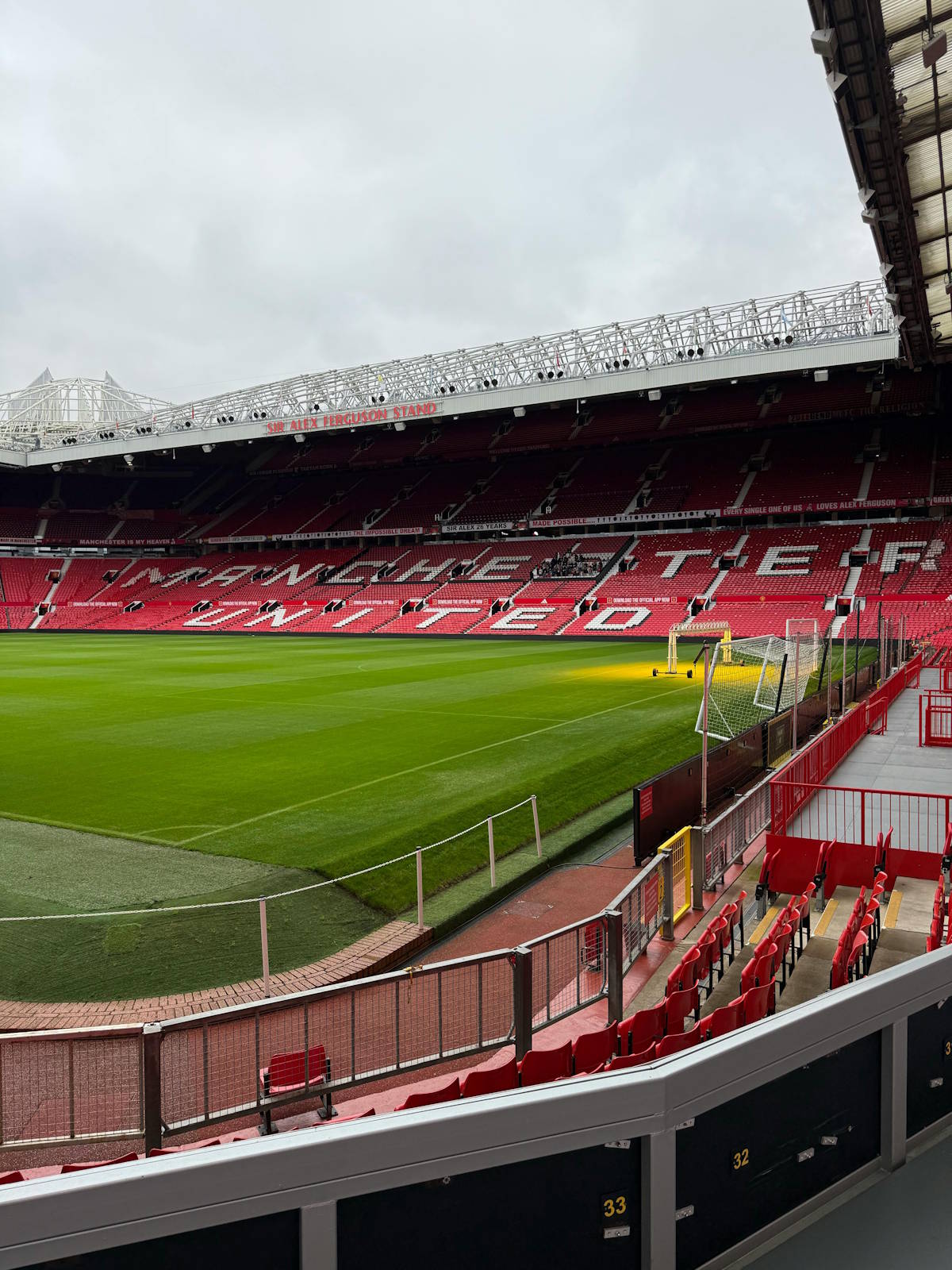
When he’s priced short to score or assist, it usually coincides with United being projected to win the midfield battle. You get an early warning signal before the team news even drops.
Semenyo fits this category as well. His price movement is often influenced by City’s projected territory. Because City dominate possession and pull defences into awkward areas, creative midfielders receive a natural boost. When City are priced to win heavily, Semenyo’s individual markets follow.
Defensive Signals Hidden Inside Clean-Sheet Pricing
Clean sheets don’t typically drive headlines, yet they deliver the quiet hauls that influence your season. When you captain a defender, the margin for error is small, but the upside in the right fixture is enormous. Betting markets often provide the sharpest read on defensive matches because they integrate more than simple goals-conceded numbers.
Arsenal are the clearest example. They sit at the summit of the Premier League table with 49 points and have conceded only 14 as of matchweek 21. Their defensive record looked shaky during Gabriel’s injury spell, but the moment he returned, the entire unit stabilised. Defenders earn bonus points when they intercept, block and dominate aerial duels, exactly the actions that markets pick up when assessing clean-sheet probability.
When Mikel Arteta’s side are heavily favoured to shut a team out, it typically aligns with Gabriel’s influence. His form rating of 5.2 and 112 points may not scream “captaincy”, but in a Double Gameweek where Arsenal are priced short to win both matches, he becomes a genuinely viable pick.
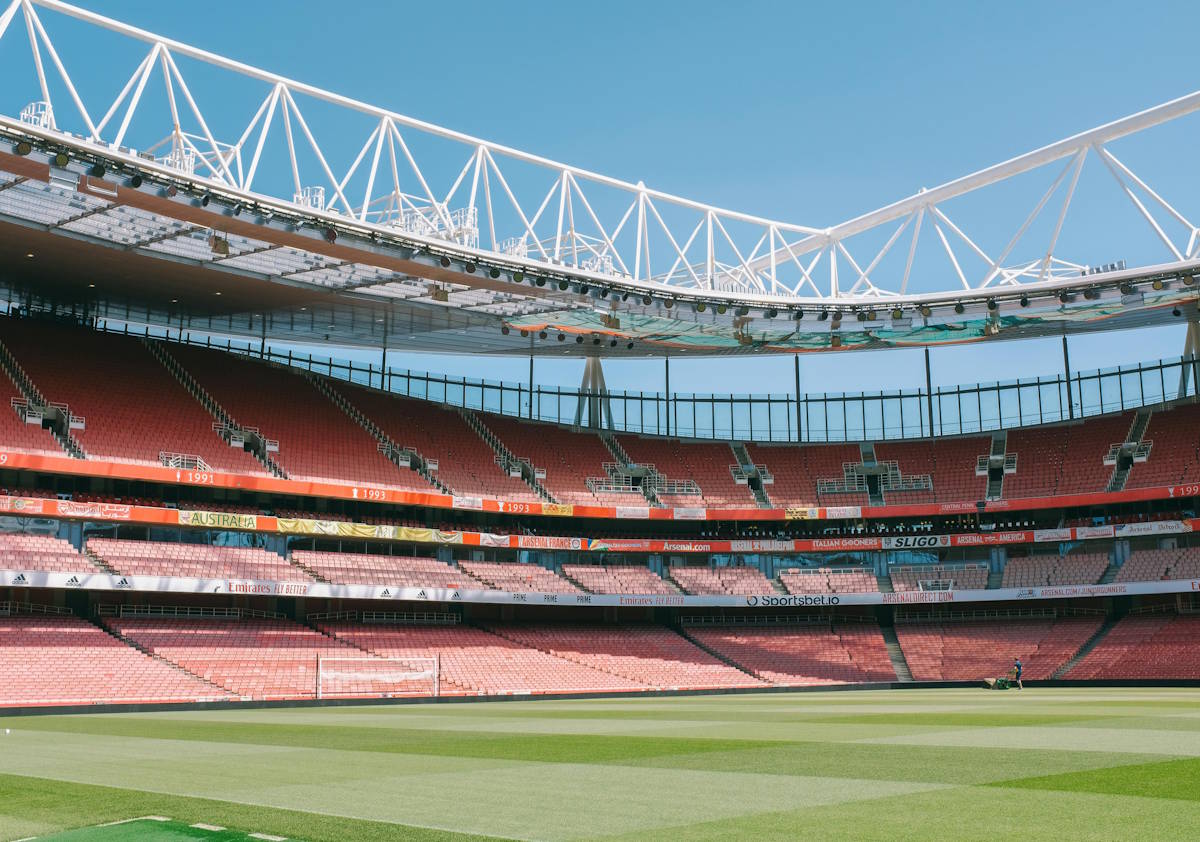
FPL managers often underestimate clean-sheet pricing, yet it gives you a more precise read than any fixture difficulty rating.
Market Movement That Reveals Form Before FPL Managers Catch On
The value of odds isn’t only in their final number; it’s in the way they evolve. When a player shortens from 9/4 to 7/4 across the week, something has changed behind the scenes. It might be a tactical tweak, a role adjustment or a returning teammate who improves the team’s structure. You often see this before the wider FPL conversation catches up.
Thiago is a good example. When Brentford altered their build-up structure, giving him earlier service, his anytime price was the first thing to respond. The same applies to Semenyo. When Jeremy Doku dropped out injured, Semenyo’s expected minutes rose, which altered his goalscorer markets long before many FPL managers realised he was a more central figure in Pep Guardiola’s plan.
Even defenders have tells. Gabriel’s price drops when Arsenal are projected to dominate possession at the Emirates against a mid-to-lower-table side. If the opposition turn up without a key forward, the clean-sheet odds adjust straight away. It’s one of the most overlooked signals in FPL but it often gives you the best read on where the safer captaincy floor actually sits.
And this, ultimately, is where you gain an advantage. Odds move because modelling identifies a pattern you may not have spotted yet.
Turning Odds, xG and Team Profiles Into Clear Captaincy Calls
Captaincy always comes back to a simple question: who is most likely to deliver two or more returns? Odds give you a direct read on that likelihood.
If City are priced strongly to score three or more, Haaland becomes the natural pick. If Leeds are projected to dominate early on at home, Calvert-Lewin becomes an option because his first-goalscorer price reflects the chance of an early goal. If Arsenal are expected to control two matches in a Double Gameweek, Gabriel becomes a steady captaincy play because clean-sheet pricing aligns with their defensive form.
Your perfect captaincy strategy doesn’t require complicated calculations as much as it requires reading the signals that markets are already giving you.
You start with team expectations, check individual goalscorer or clean-sheet prices, then overlay what you already know: xG, form and minutes. Odds are not a shortcut, but they are a sharper lens, one that filters out noise and leaves you with the most informed picture available.
When you use them well, you stop chasing hauls and start anticipating them.