
Back then, following the World Cup meant a wall planner, a radio, and whatever the back pages told you. Now the experience is layered with live data, second-screen stats, and a wider entertainment culture that has grown up around the football. Part of that shift includes how supporters explore the wider market of bookmakers, and for those who want a clearer view of the options that sit outside the standard British setup, the best UK betting sites not on GamStop for 2026 are ranked and compared in detail according to Total Football Analysis, with breakdowns of how that category works, the licences behind it, payment flexibility, stake limits, and the welcome promotions and free-bet structures aimed at UK bettors. It is the kind of reference point that did not really exist in the analogue World Cups of old, when choice was thin and information thinner.
From Teletext Scores to Live Dashboards
Cast the mind back to a World Cup twenty years ago and the matchday toolkit was almost charmingly basic. You waited for results, you guessed at line-ups, and you argued about form with nothing but memory to back you up. Today's FPL-minded fan approaches the tournament armed with the same gear they use for the Premier League grind: live xG, minutes tracking, heat maps, and rank movements updating by the second.
That carries straight into Fantasy World Cup squads. When England line up against Ghana, supporters are not just watching Harry Kane lead the line — they are tracking his touches in the box, his expected output, and whether a budget enabler somewhere in the squad is quietly racking up bonus points. The strategic, data-first habits built over Premier League gameweeks now define how this generation consumes a national-team summer.
National Pride That Travels Differently Now
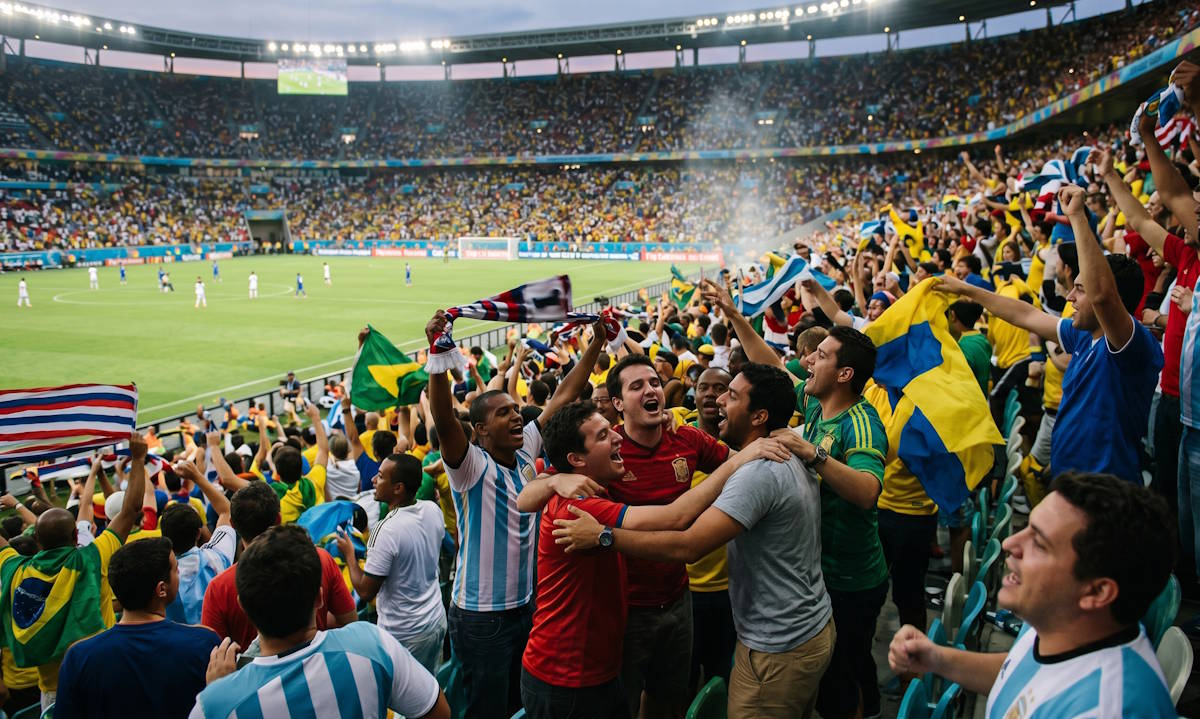
The emotional core of a World Cup has not changed. The flags still come out, the songs still echo, and an entire country still lurches between hope and dread depending on a single penalty. What has changed is how that pride is shared. It used to live in living rooms and pubs; now it spills across group chats, clips, and endless replays.
Kane himself has spoken about the songs that bind England runs together, with Oasis classics looming large — he once named Wonderwall among his favourite England moments, the kind of detail that captures how culture and football blur during these tournaments. That mix of music, memory and matchday is the modern version of national pride: less contained, far more contagious, and impossible to escape once England get rolling.
Measuring the Mood Before Kick-Off
Another modern wrinkle is how easily the public temperature can be taken. Decades ago, nobody could really tell you how excited the nation was beyond gut feeling and ticket queues. Now the data arrives before a ball is kicked. Polling on whether Britons are excited for the 2026 World Cup puts numbers to the national mood, mapping the optimism, the scepticism, and the slow build of anticipation as the group stage unfolds.
That measured mood feeds directly into how supporters plan their summer. Knowing the country is leaning in makes the viewing parties bigger, the fantasy mini-leagues busier, and the buzz around England's fixtures louder. The Panama match on 27 June arrives with a clearer sense of expectation than any pre-internet England outing ever could.
The Host Cities and the Fan Experience
This tournament's sprawl across North America adds a fresh dimension that older World Cups never had to navigate. With sixteen host cities spread across the United States, Mexico and Canada, the travelling experience and the at-home experience have rarely felt so different. Fans on the ground have shared being 'excited but wary', weighing the thrill of the occasion against ticket prices and the sheer scale of it all.
For UK supporters watching through the night, the trade-off is simpler but no less intense. The time-zone juggling, the late finishes, the early-morning post-mortems on social media — it is all part of a World Cup that demands more from its audience and gives back a deeper sense of immersion than the old wait-for-the-highlights model ever managed.
Looking Past the Group Stage
The Round of 32 begins on 28 June, and that is when the tension really sharpens. Knockout football strips away the slow build and replaces it with pure jeopardy. For England fans, it is the stage where summer dreams either gather momentum or collapse in familiar fashion.
And once the dust settles on the tournament, attention will pivot almost immediately to the 2026/27 Premier League season opener on 21 August. That is the modern football calendar in a nutshell — barely a breath between the global and the domestic, between national pride and FPL planning. The tools, the data and the shared excitement that define this World Cup summer will simply roll straight into the next gameweek, just as they always do now.